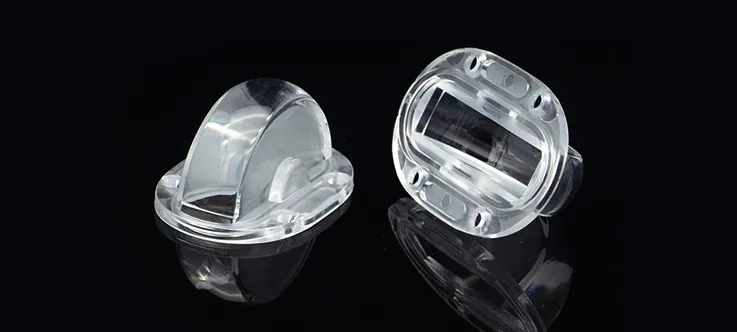
Optical-Grade High-Transparency LSR Custom
Molding Services
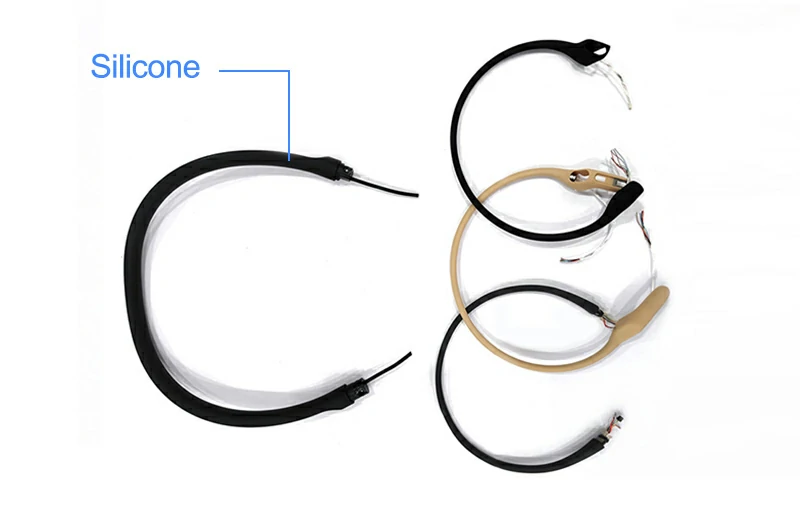
- Premium raw material selection: Wacker/Dow, etc, high-transparency and anti-yellowing
- Rapid prototyping | Precision tooling | Low to mass production
Medical-Grade LSR Injection Molding Services
- Certified ISO 13485:2016 medical manufacturing
- High-transparency, sterilization-ready medical silicone
- Class 100,000 cleanroom LSR molding
Your Trusted Partner in Precision LSR Overmolding
- ISO 14001:2015 & IATF 16949:2016 Certified Manufacturer
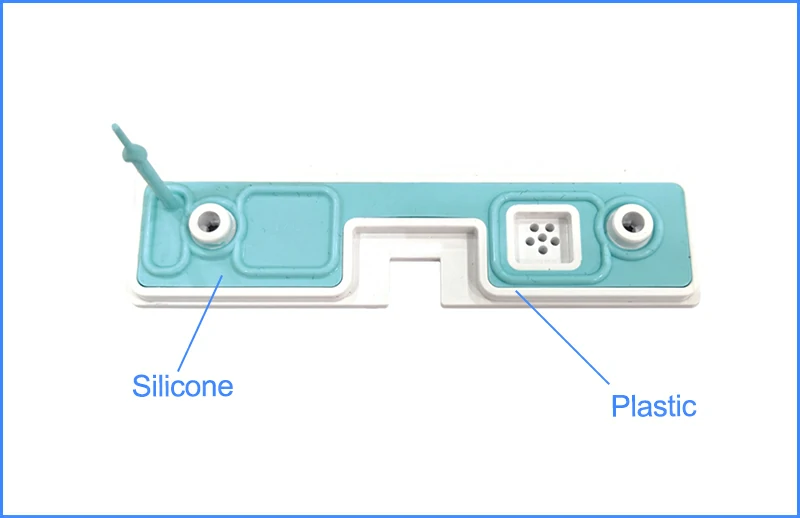
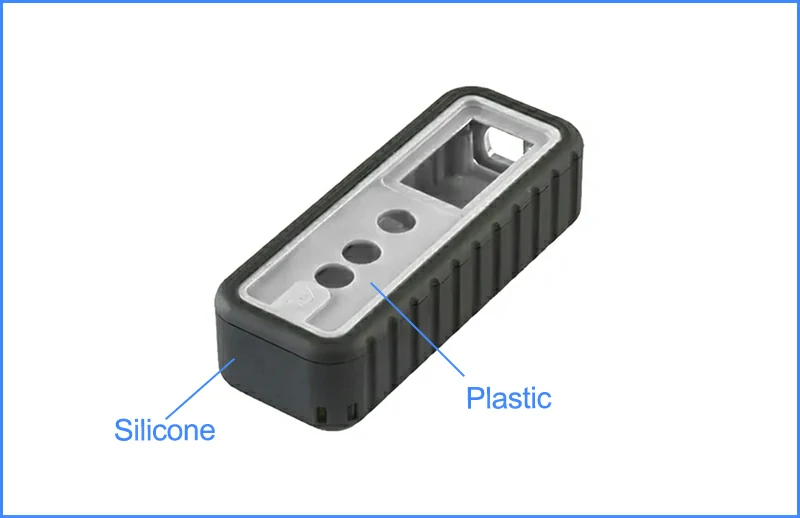
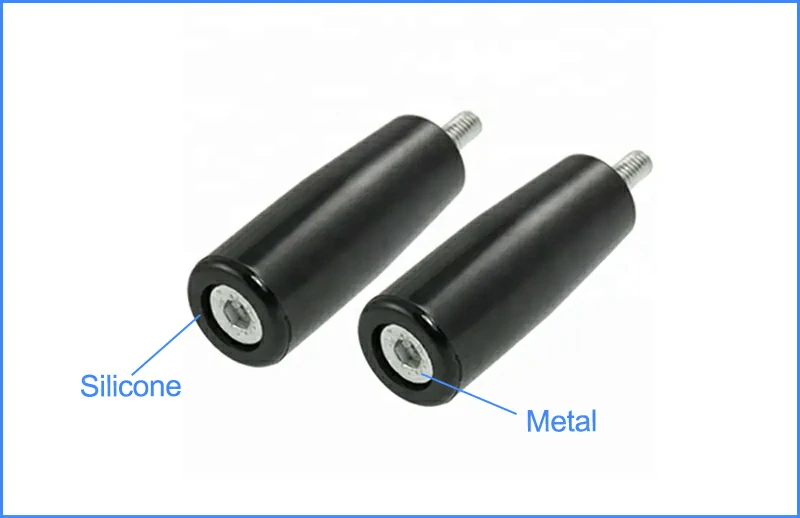
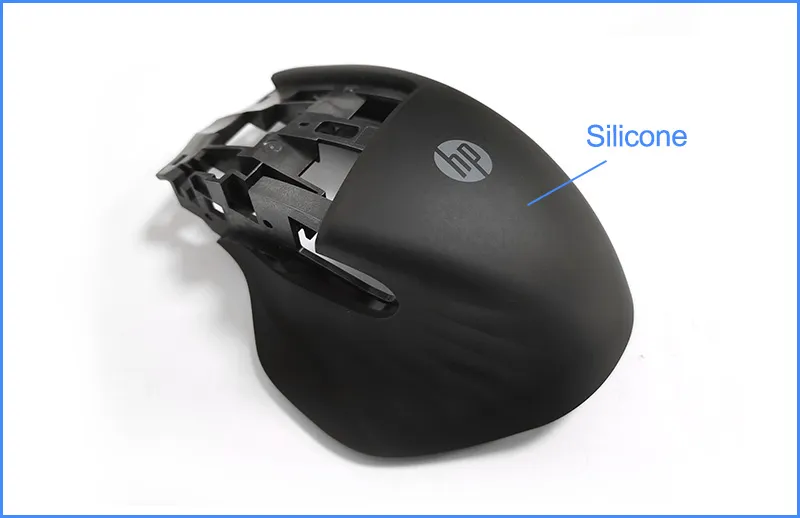
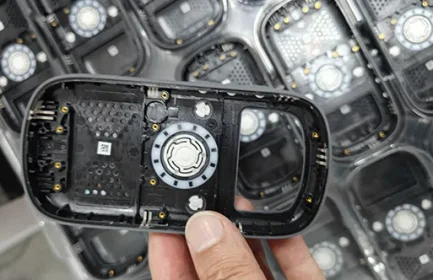
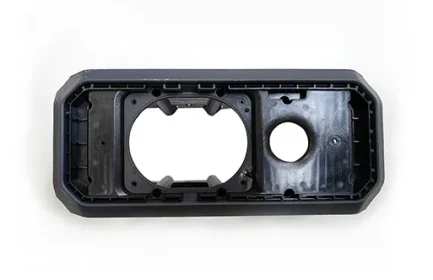
- LSR Overmolding for Metal & Plastic Parts
- Micro-Precision Overmolded Components
-
Custom Design | Free Engineering Review | Ideal for Automotive,
Electronics, Medical & Appliances
-
Automotive & medical-grade
injection molding
- Professional DFM before tooling
- Mold design & rapid prototyping
- Class 100,000 cleanroom
Liquid Silicone Rubber Injection Molding Solutions
We provide end-to-end silicone injection molding solutions focused on optical-grade elastomer components. Our team specializes in lsr molding and liquid silicone injection molding, delivering a complete workflow from product concept and DFM, design validation, and rapid prototyping to precision tooling and scalable production. We support both standalone LSR parts and integrated builds through a liquid silicone rubber injection molding service model aligned with your drawings, tolerances, and test requirements.
Durability
LSR is highly resistant to extreme temperatures, chemicals, and UV exposure, making it suitable for long-life sealing and optical applications.
Flexibility in Design
LSR can be molded into complex geometries, including thin-wall features, micro details, and multi-component structures, offering more design flexibility than many elastomers.
Versatility
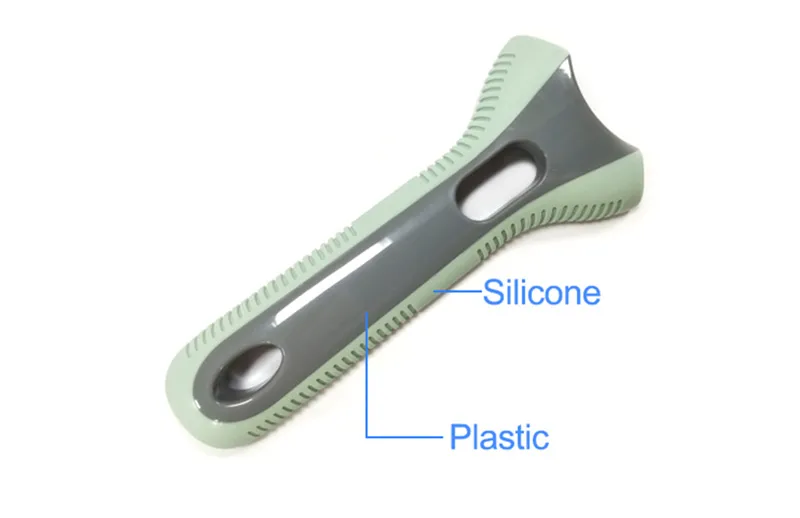
LSR injection molding supports insert molding and overmolding with metals, plastics, ceramics, and other substrates to meet specialized functional and assembly requirements.
Biocompatibility
Because LSR is non-toxic and hypoallergenic, it is widely used for hygienic and skin-contact applications, including seals, gaskets, and tubing components.
Fast Production Times
Compared with many alternative processes, LSR injection molding enables faster cycle times and efficient automation for higher-volume runs.
Cleanliness requirements
Our SGS-certified Class 8 cleanroom helps reduce contamination risk and supports consistent production of liquid silicone rubber parts and high-clarity components.
Applications of LSR Injection Molding
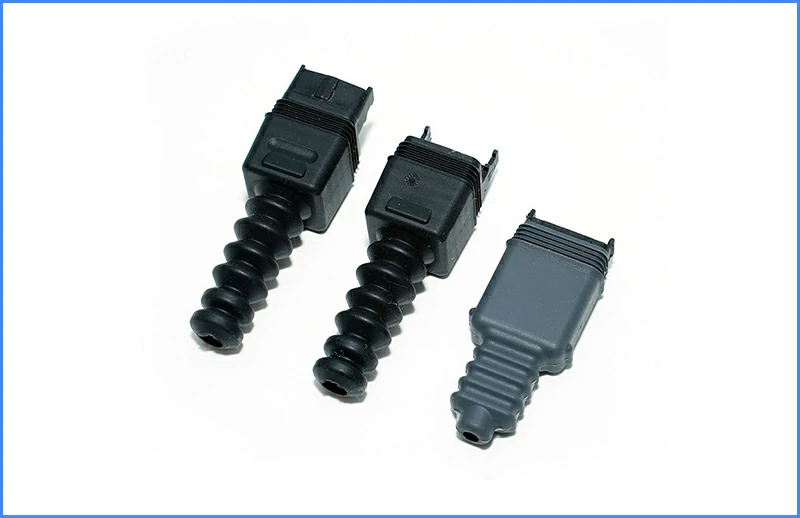
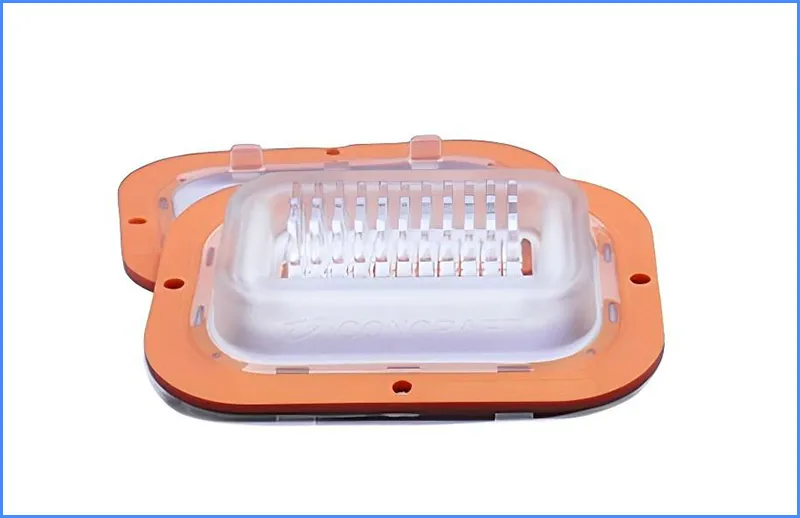
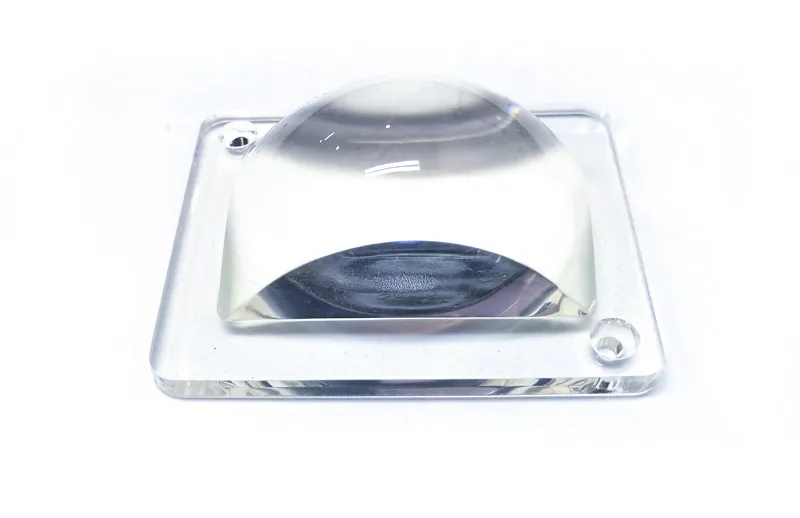
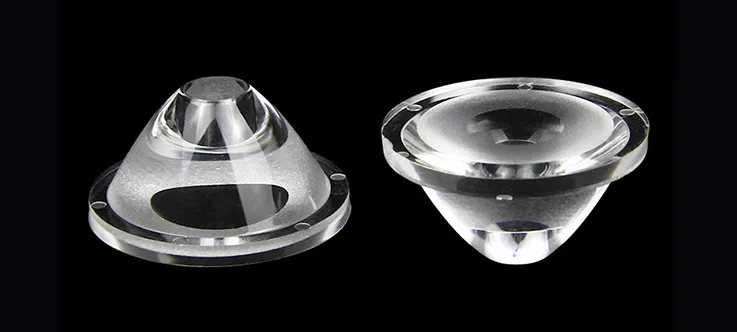
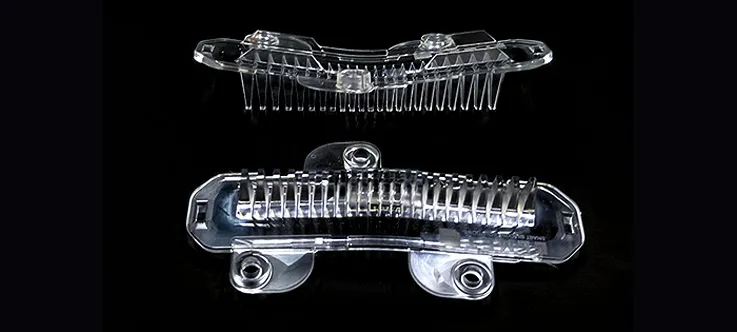
LSR injection molding delivers high precision for micro and thin-wall parts, with strong biocompatibility potential and optical clarity. Combined with overmolding, it is used across automotive, medical, electronics, and optical programs. Typical outputs include liquid silicone rubber products such as sealing elements, protective covers, and optical components like injection molded optics and injection molded lenses. For optical use cases, we also support optical LSR material options based on transmittance, haze, and yellowing resistance targets.
Boots For NSN Cables
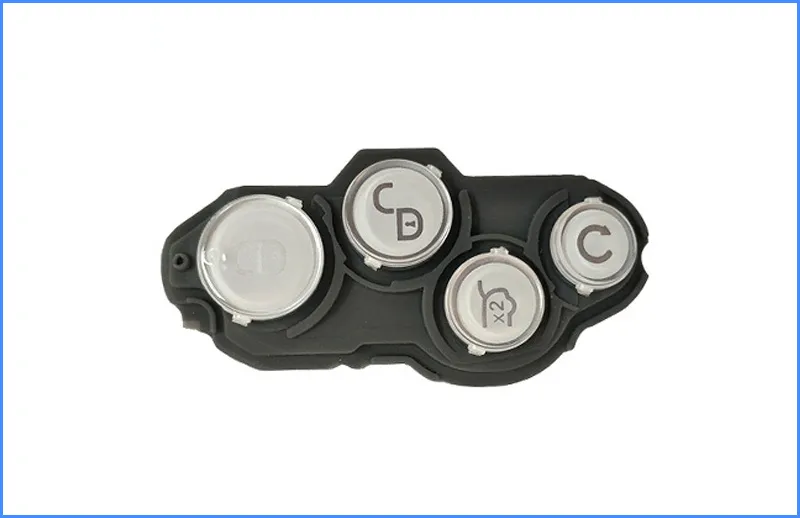
Automotive Series Buttons
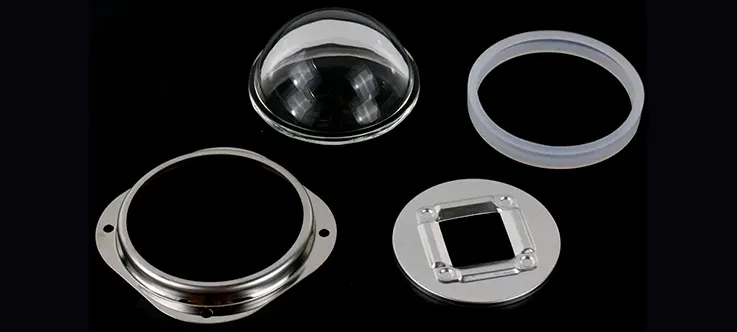
Optical Components
Silicone Aspheric Optics
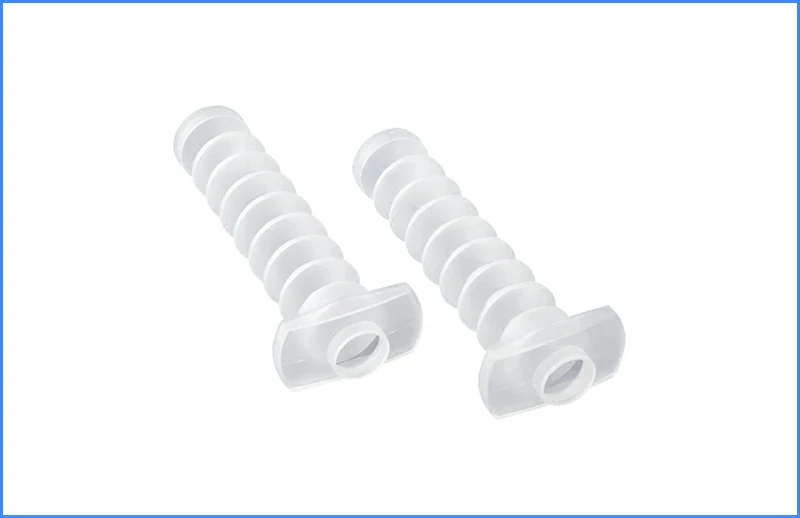
Syringe Bellow
Silicone Breathing Mask
Sleeve For Scalpel Handle
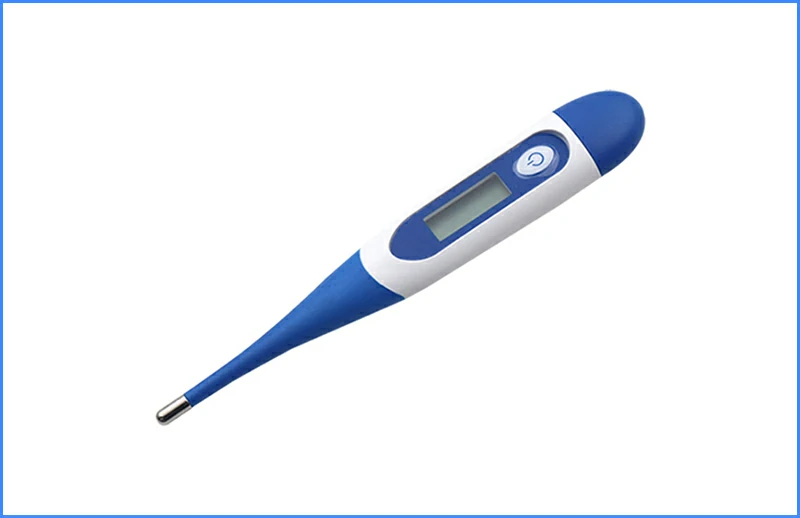
Thermometer
Gasket Part
Industrial Part
Overmolded Accessories
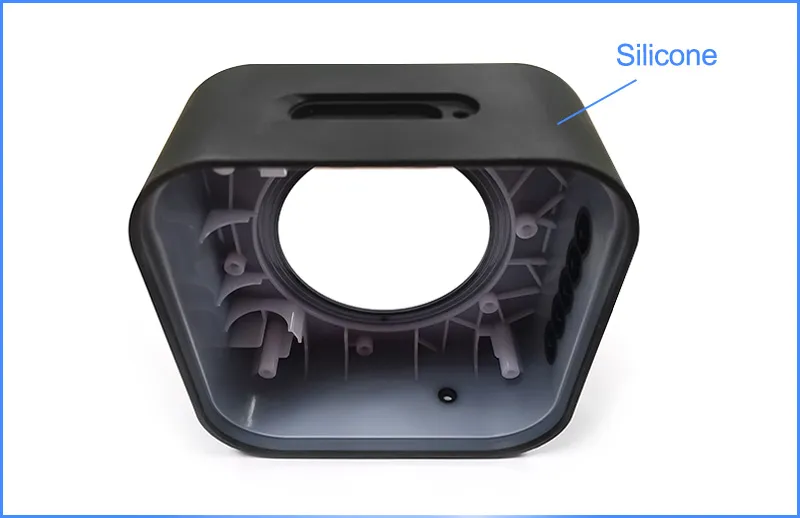
Silicone Overmolding
Mouse Accessories
Speaker Silicone Sleeve
Earphone Cover
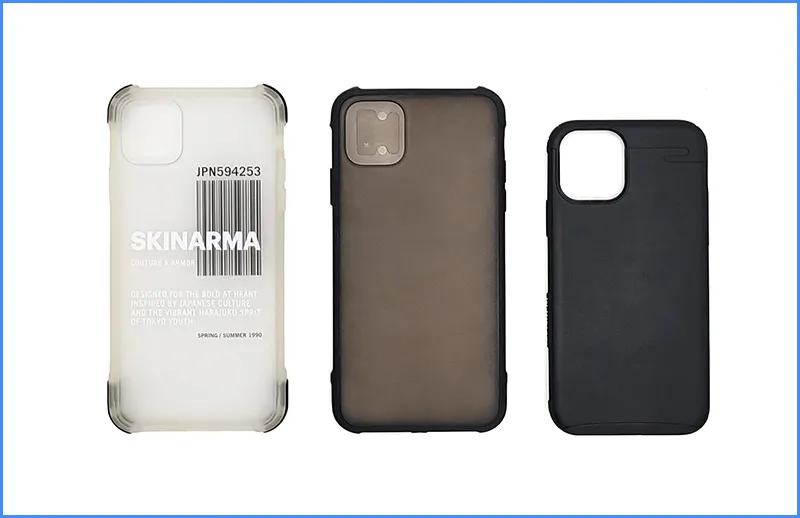
Phone Case
Table of Contents
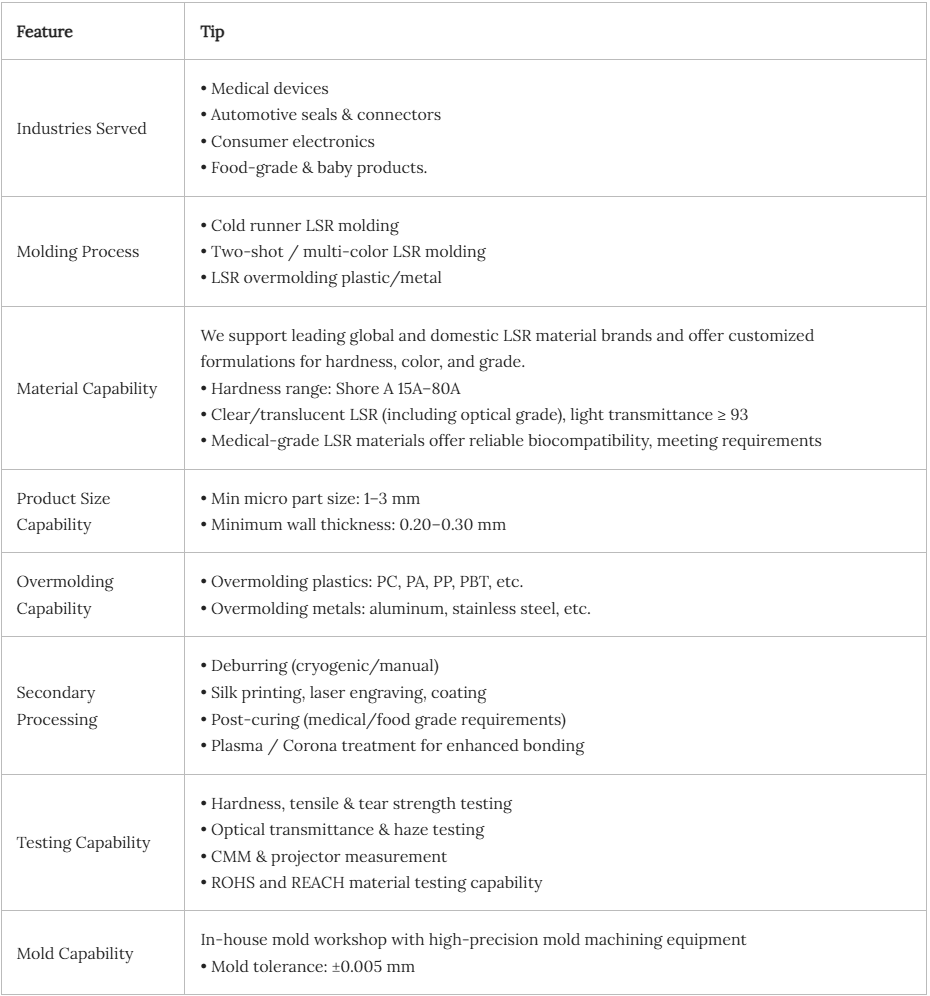
Custom LSR Injection Molding Capabilities
What is LSR Injection Molding
Injection molding of liquid silicone rubber (LSR) is a highly efficient and precise process used in medical, automotive, electronics, and consumer industries. It is also commonly referred to as liquid silicone rubber injection molding or liquid injection molding in production environments.
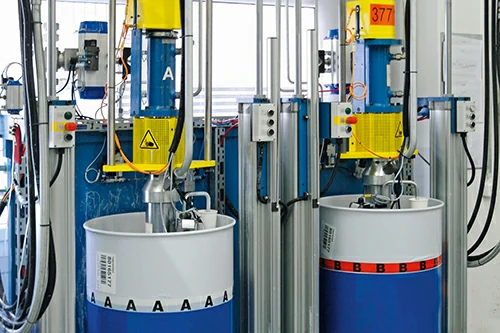
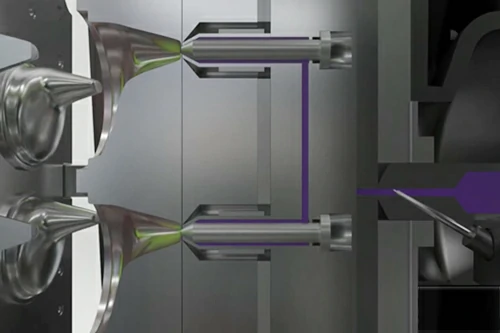
In the molding process, two liquid silicone components (Part A and Part B) are metered, mixed, and injected under pressure into a heated mold. The material cures rapidly inside the mold, forming the intended shape with strong dimensional stability and repeatable part quality.
Step 1 : Material Preparation
Step 2 : Injection of LSR into the Mold
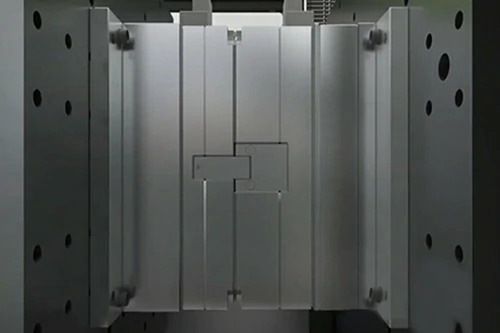
Step 3 : Molding and Cooling
Step 4 : Ejection
LSR Injection Molding Capabilities
Single-shot LSR
Liquid silicone is injected into a mold and cured in one step by heating, requiring no secondary processing.
Single-shot LSR
Liquid silicone is injected into a mold and cured in one step by heating, requiring no secondary processing.
Single-shot LSR
Liquid silicone is injected into a mold and cured in one step by heating, requiring no secondary processing.
Silicone Material Customization
The silicone raw material system strongly influences final part performance and appearance. Different material families and brands vary in heat resistance, low-temperature flexibility, UV stability, oxidation resistance, and long-term aging behavior. We maintain supply partnerships with leading brands and can recommend appropriate material grades from liquid silicone manufacturers based on your functional requirements and production conditions.
We offer material options aligned with safety and compliance needs, including FDA, LFGB, and REACH. For projects requiring higher cleanliness and traceability, we can discuss medical-grade liquid silicone rubber options and define the documentation scope based on your intended use.
1. Optical-Grade Silicone
Physical properties for optical-grade LSR
1. Extremely high light transmittance (≈93–94%), low haze (<1%)
2. Excellent UV and blue-light stability with strong anti-yellowing performance
3. UL certification support, including UL 94 flame retardancy rating options
Medical lighting lens
Surgical equipment LED lens
Headlight guide
Patient monitor optical cover
2. Industrial Electronic
Physical properties for electronics and power modules
1. Waterproof (IP67–IP69K), insulated, and chemically resistant LSR silicone
2. High-insulation and thermal options with strong bonding performance and UL-aligned safety requirements
3. Soft-touch, ergonomic, skin-safe LSR with customizable hardness and colors to support product differentiation
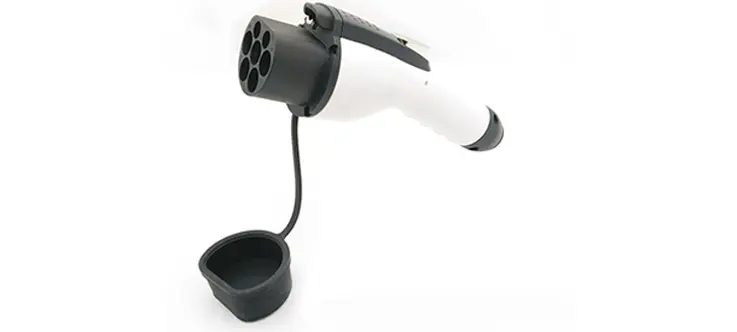
Charging gun assembly
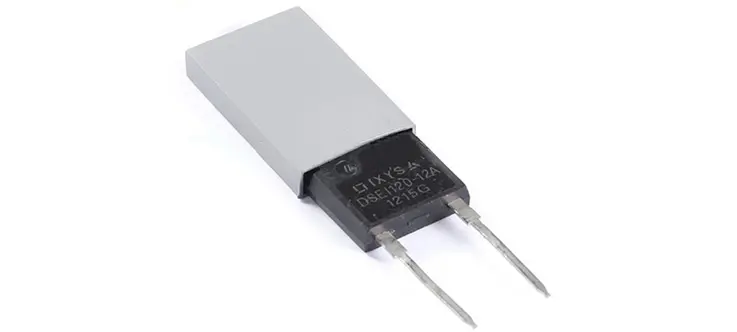
Electronic component sleeve
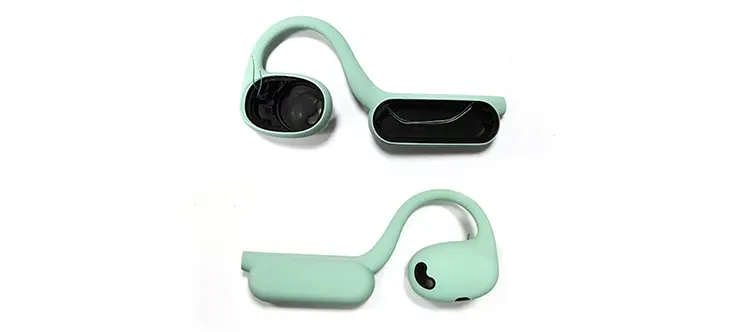
Earphone shell rubber coating
Steering wheel buttons
3. Medical-Grade Silicone
SGS-aligned silicone options with high purity, long-term stability, and established safety evaluation pathways. These grades are commonly used for medical-grade silicone parts and selected medical device component applications when the project scope, documentation, and customer requirements are clearly defined.
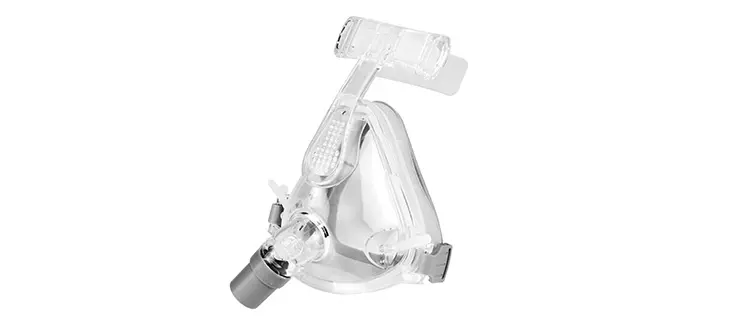
Respiratory masks
Infusion pump seals
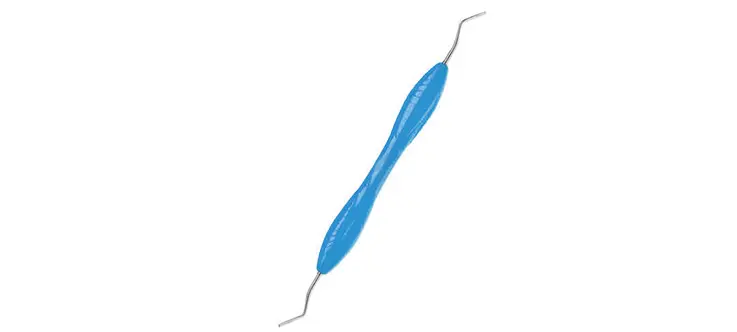
Dental instrument handles
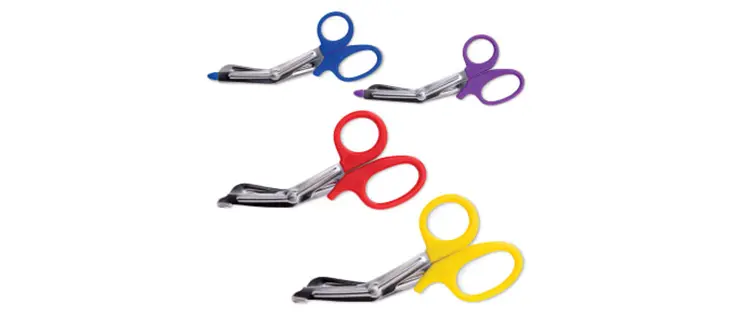
Surgical scissors
Post-processing for Liquid Silicone Rubber Products
Cryogenic deflashing
Mechanical deflashing
Manual trimming
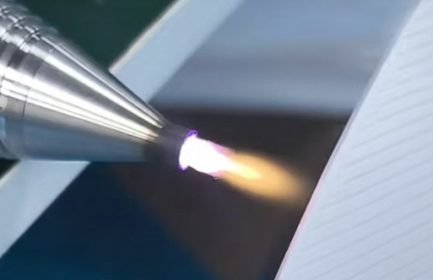
Plasma deburring
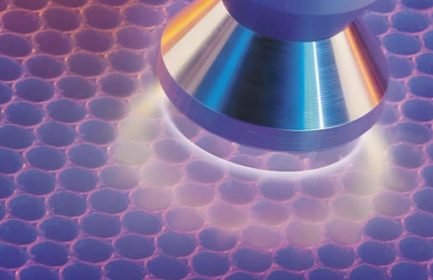
Plasma treatment
UV modification treatment
Spraying treatment
Printing
Ultrasonic metal welding
Parts assembly
Overmolded components
metal welding
Ultrasonic cleaning
Sand blasting
Post-curing
Sterilization (Medical Applications)
Quality Control & Testing
Dimensional inspection
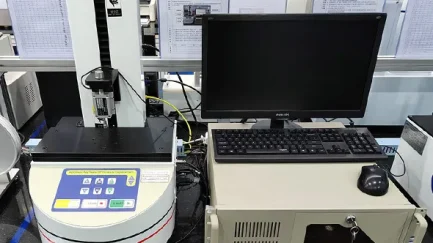
Tensile / Tear strength testing
Automatic button load tester
Button life tester
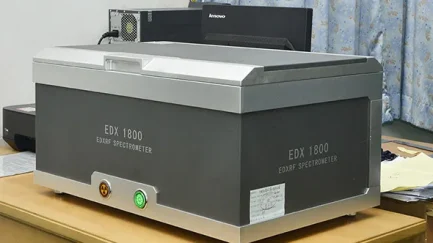
XRF spectroscopy testing machine
Color matching light box tester
To learn more about testing equipment, please click this button.
Custom Liquid Silicone Rubber Product Workflow
The following is our product customization process. At Shengxin, turning your ideas into real, high-performance products is what we do best. Partner with us for a smooth, efficient and innovative journey — from concept to completion. Want to see how we bring your ideas to life? Let’s get started.
1.Customization requirement
2.Evaluation& quotation
3.DFM analysis report
4.Mold design & analysis
5.Custom tooling
6.Mold testing and validation
7.Mass production
8.Delivery and after-sales
FAQs
Read the Frequently Asked Questions for more information.
There’s no answer here for you? Please contact us and we will respond within 24 hours.
What industries use LSR injection molding?
LSR injection molding is used in industries like automotive, healthcare, consumer electronics, food and beverage, and industrial manufacturing.
How does LSR injection molding compare to thermoplastic injection molding?
LSR molding involves a liquid material that cures into a solid form, while thermoplastic molding uses materials that can be melted and reformed multiple times. LSR is ideal for high-precision, durable parts, while thermoplastic molding offers faster processing for simpler designs.
What are the environmental impacts of LSR injection molding?
LSR is considered environmentally friendly due to its durability, which leads to longer product lifespans, reducing waste. However, the energy used in the curing process and material production can still impact the environment.
What types of products can be made using LSR injection molding?
LSR molding is used for products like seals, gaskets, medical devices, automotive components, and consumer electronics parts.
What is the difference between RTV and LSR?
RTV (Room Temperature Vulcanizing) silicone cures at room temperature, while LSR requires heat or UV light to cure, making LSR more suitable for high-volume, precision manufacturing.
What are the disadvantages of LSR?
The disadvantages include high initial setup costs for molds and equipment, as well as the need for precise control during the molding process.
What is the pressure for LSR injection?
The pressure used in LSR injection molding typically ranges from 100 to 3000 psi, depending on the material and part design.
What is the curing time for LSR injection molding?
Curing time for LSR injection molding typically ranges from a few seconds to several minutes, depending on the material and part complexity. Heat curing usually takes 10-30 minutes at temperatures between 150°C and 200°C.
Can LSR molding be used for high-volume production?
Yes, LSR molding is ideal for high-volume production due to its efficiency and fast cycle times, making it perfect for industries like automotive, healthcare, and electronics.
What should I send you to get an accurate quote for an LSR molded part?
Send a 3D CAD file (STEP is ideal) plus a 2D drawing that calls out critical dimensions, tolerances, and datums. Include the LSR grade or target properties (hardness, color, translucency, biocompatibility needs), expected annual volume and release schedule, and your quality requirements (inspection level, PPAP or equivalent). Also share application details like mating parts, sealing surfaces, operating temperature range, chemicals the part will see, and any assembly or post-cure requirements.
What tolerance range can we realistically hold with LSR injection molding?
For most LSR parts, a practical baseline is around plus or minus 0.05 to 0.10 mm on small, well-supported dimensions, and wider on larger spans or soft, thin features. Very tight tolerances are possible, but only on specific features with robust tooling design, stable processing, and good part restraint in the mold. The honest answer is: define which dimensions are truly critical, and we’ll tolerate those intentionally while keeping the rest more forgiving to protect yield and cost.
How is LSR tooling different from a standard plastic injection mold?
LSR molds are built around liquid dosing, mixing, and a cold-runner feed system, with the mold itself heated to cure the rubber. They need excellent sealing to prevent flash, high-quality venting for trapped air, and careful parting line strategy because LSR will find any gap. You’ll also see different gating, temperature control, and often more emphasis on demolding design because parts are elastic and can distort if ejected poorly.
What should we watch for in LSR injection mold design?
Design for controlled flash, clean venting, and consistent fill. That means tight shutoffs, smart parting lines away from cosmetic or sealing areas, and vent locations that actually let air escape without leaving marks. Plan gating to avoid knit lines on functional surfaces, and make sure ejection and handling won’t stretch critical features. Also account for shrink, compression set targets if it’s a seal, and any post-cure dimensional change if post-curing is required.
Which quality requirements and compliance standards should we plan for with LSR parts?
First, consider your industry: medical, food contact, infant products, electronics, automotive, etc., each with different requirements. Common requirements include material traceability, batch control, a clear inspection plan, and process validation. Depending on the application, you may need SGS certification, food contact compliance (FDA or EU framework), and chemical or flame retardant requirements. The key is to match testing and documentation to the end use and target market.
What is the thermal stability window for the LSR process?
In production terms, you’re balancing a cold feed system with a hot cure tool. The material is typically kept cool in the metering and cold runner to avoid premature curing, while the cavities are heated high enough to cure fast and consistently. The usable window depends heavily on the exact LSR grade, part thickness, and cycle time targets, so the best way to lock it in is to confirm the supplier’s recommended temperatures and then validate it during trials with cure studies and dimensional checks.
What types of cold runner systems are used in LSR injection molding?
You’ll mainly see open cold runner systems and valve-gated cold runner systems. Open systems are simpler and often lower cost, but you may manage more variation at the gate and more gate vestige. Valve-gated systems give tighter control over fill and gate appearance and can help with consistency on multi-cavity tools, but they’re more complex and cost more. The right choice usually comes down to part aesthetics, dimensional sensitivity, cavity count, and how tightly you need to control shot-to-shot consistency.
Applications in different fields
In-house Mold Shop for Quick Delivery
silicone tooling making
Automated production process and brand cooperation experience
LSR Injection Molding
Cost-effective price, large quantity delivery
Insert molding
Nearly 100 molding equipment
Silicone Compression Molding
A Variety of Materials to Meet Different Application
Velcro Series
Double-Sided Adhesive Tape
Silicone Die Cutting
Silicone raw materials are used to cover different materials.
Silicone + Plastic
Silicone + Ceramics
Overmolding & Insert Molding
Offer a range of secondary processing services.
Printing
Spray painting
Packaging and Shipping
News & Blog
Get a Free Quote
- We can provide free samples for your reference.
- From concept to completion, we can provide one-stop custom services.
- You may send us samples or 3D CAD drawings in STEP, IGES, X_T, or DWG formats. We will provide a detailed quote within 48 hours.
Get a Free Quote
- We can provide free samples for your reference.
- From concept to completion, we can provide one-stop custom services.
- You may send us samples or 3D CAD drawings in STEP, IGES, X_T, or DWG formats. We will provide a detailed quote within 48 hours.