Custom Silicone Optics

Why Choose Optical Silicone ?

Ultra Clear Optical Silicone

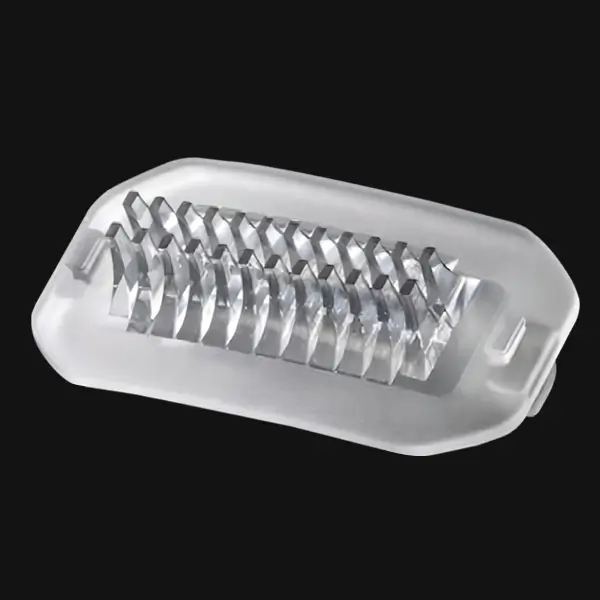
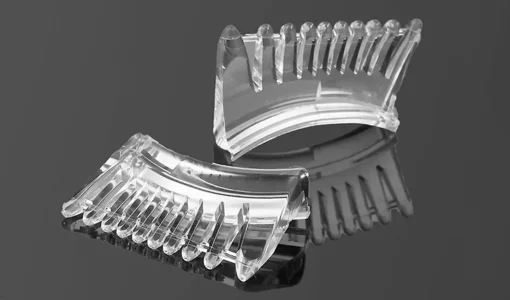
Optical silicone materials are more durable than traditional glass and thermoplastic materials (PC, PMMA), making them ideal for lighting applications. Optical silicone has excellent optical properties and is suitable for LED lighting, light guides, lenses, and other optical components.

· High temperature and UV resistance
· Excellent optical clarity and light transmission
· Highly flexible and can be molded into various shapes and sizes
· Enables cost-effective mass production by injection molding techniques

Applications Of Silicone Molded Optics

Due to its excellent durability and light transmission properties, optical silicone makes it an ideal material for use in various lighting applications. Commonly used in applications such as automotive lighting, aerospace lighting, interior lighting, etc.

01. Automotive Lighting

Optical silicone can be molded into complex shapes and withstand mechanical stress while maintaining optical clarity and light transmission. It is suitable for automotive headlights, taillights, and interior lighting.

02. Aerospace and Defense

Optical silicone can withstand extreme temperatures and vibrations. It can be used in aerospace and defense applications, including aircraft displays, cockpit instruments, avionics, optical sensors, and military optics.

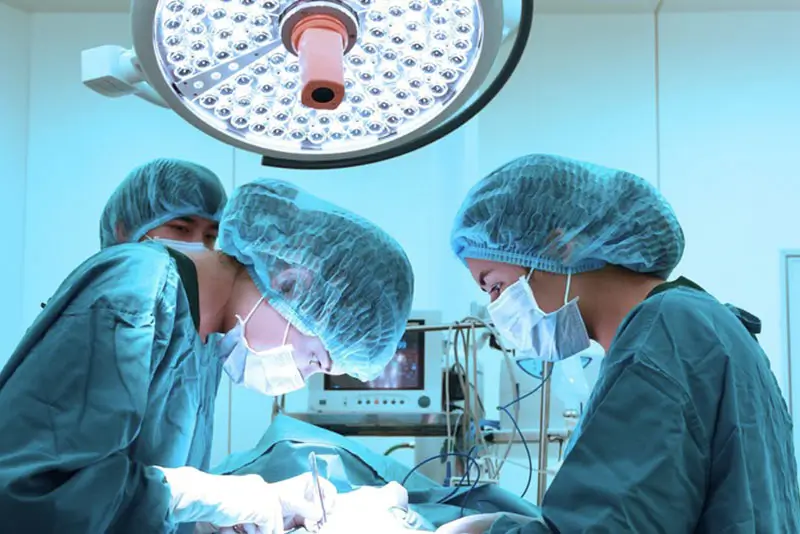
03. Medical Devices

Optical silicone is biocompatible and light-transmitting. Medical devices made with optical silicone can produce bright and clear light. Suitable for surgical instruments, optical sensors, medical imaging systems, etc.

04. Harsh Environments

Optical silicone can withstand chemical substances such as acid and alkali, and will not corrode after long-term contact. Suitable in harsh environments, like miner’s lamps, diving lights, etc.

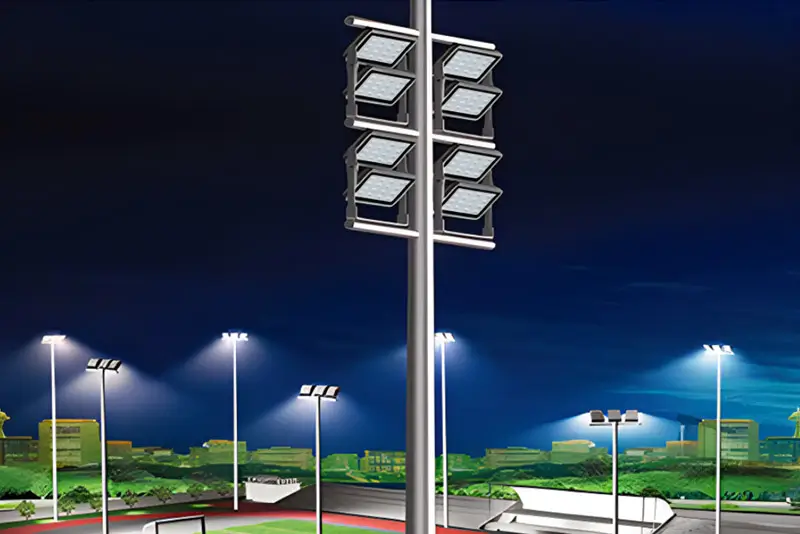
05. Outdoor Lighting

Optical silicone is moisture resistant, UV radiation, and high temperatures, allowing maximum light transmission. It enhances light output, providing thermal management. Suitable for outdoor LED stadium lights, etc.

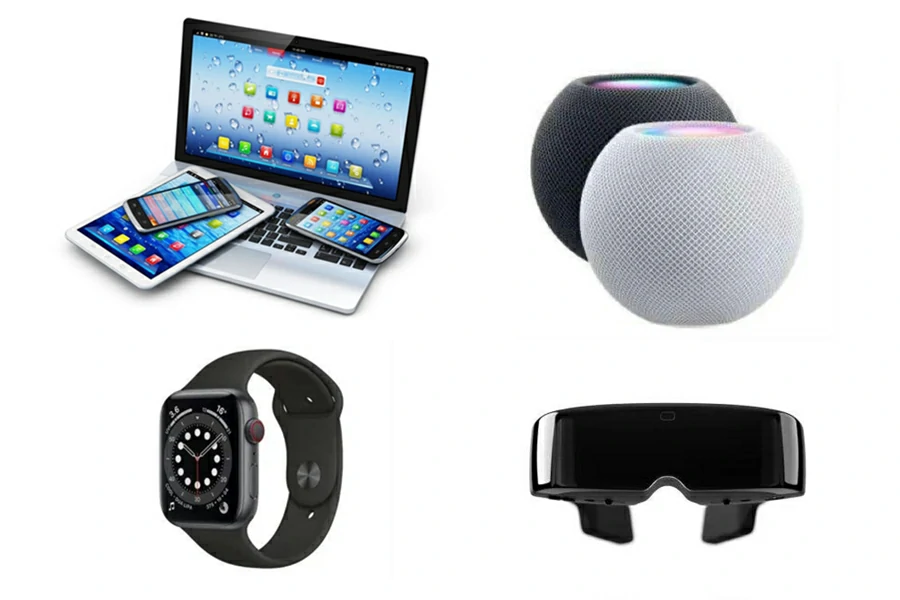
06. Consumer Electronics

Optical silicone provides flexibility, comfort, durability, display performance, and optical properties for consumer electronics. It is commonly used in phones, tablets, smartwatches, and virtual reality (VR) headsets.

Silicone And Plastic Injection Molded Optics

Choosing Sheng Xin will not disappoint you. We cooperate with outstanding silicone raw material suppliers at home and abroad, such as Dow, Wacker, and so on. ensuring that our products are of the highest quality. Our engineers have a wealth of experience in the field of optics. Provide innovative solutions for your lighting needs. If you have any creative ideas, please feel free to contact us.

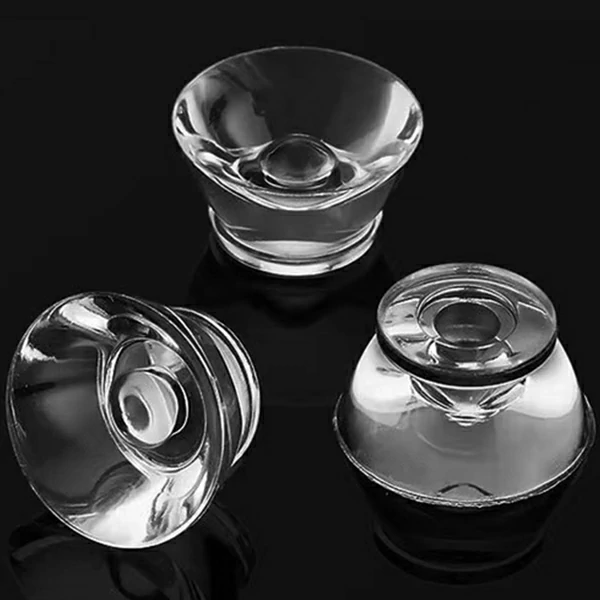
Optical Silicone Lens

ADB Silicone Lens

Silicone Aspheric Optics

Silicone Optics

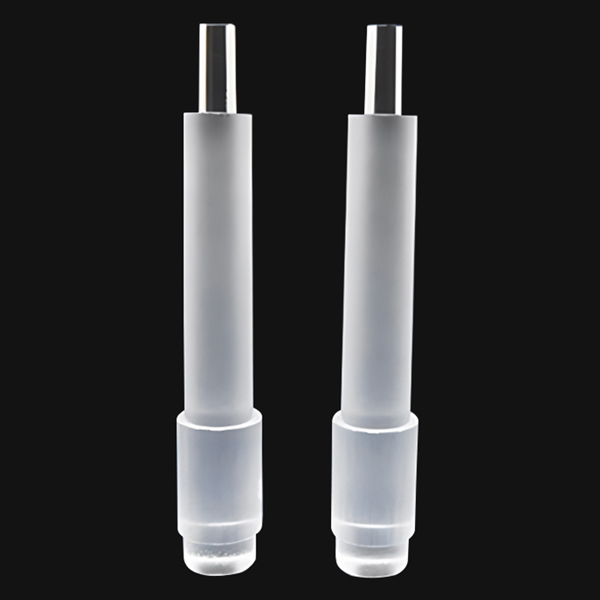
Light Guide Column

Plastic light Covers

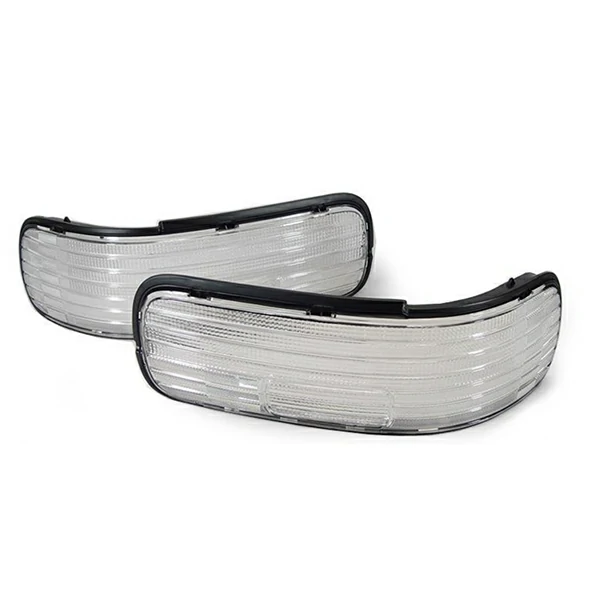
Tail Light Lens Covers

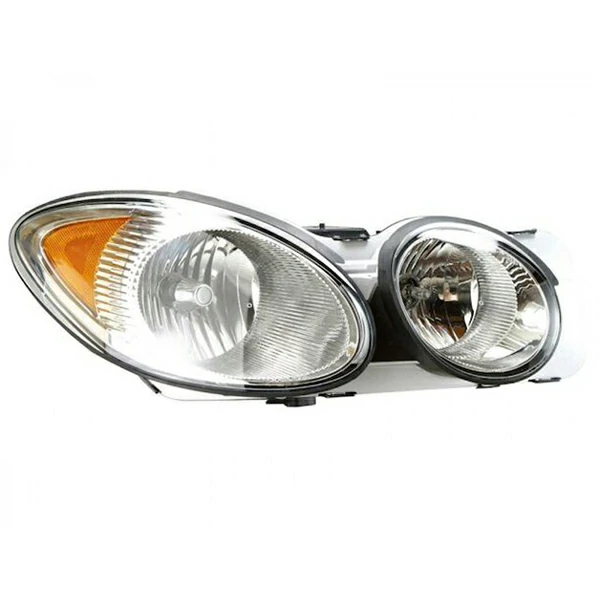
Headlights Lens Covers

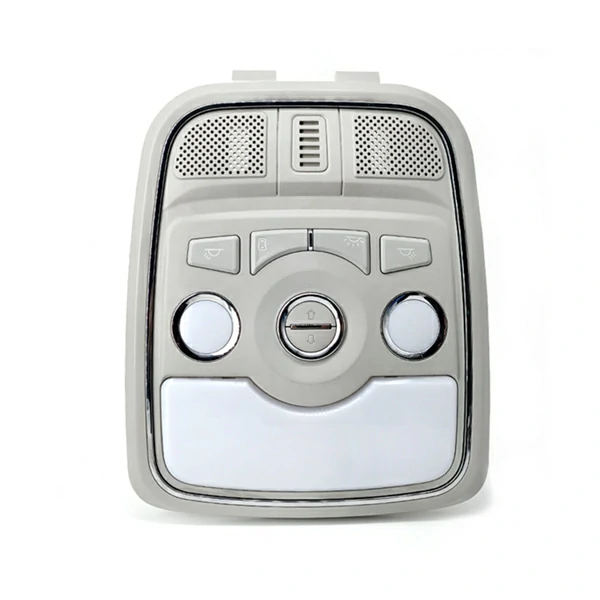
Car Interior Lampshade

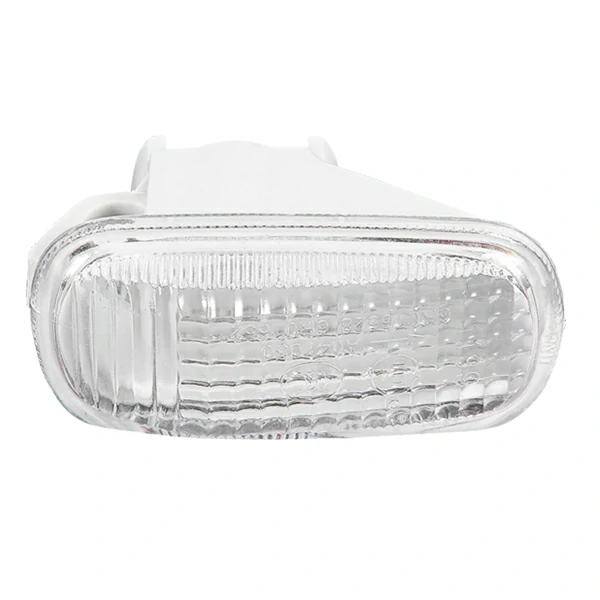
Car Turn Signal Light Shell

Benefits Of Optical Silicone

Why Choose Silicone As Raw Material For LED Lighting System?

Silicone has many characteristics of high clarity, stability, design flexibility, and mechanical that can resist the influence of many external elements, making it an ideal outdoor solution for LED lighting systems. Over time, silicones have gradually become an alternative to glass and plastic lighting enclosures.

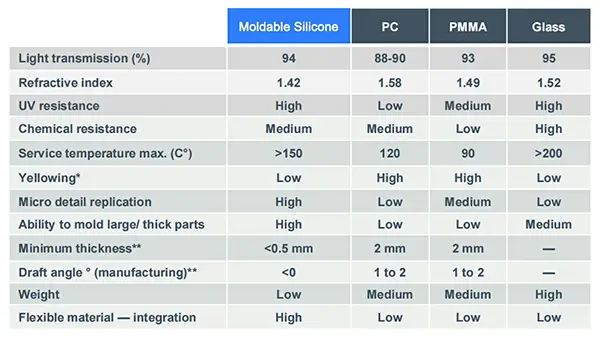
moldable silicone VS other materials

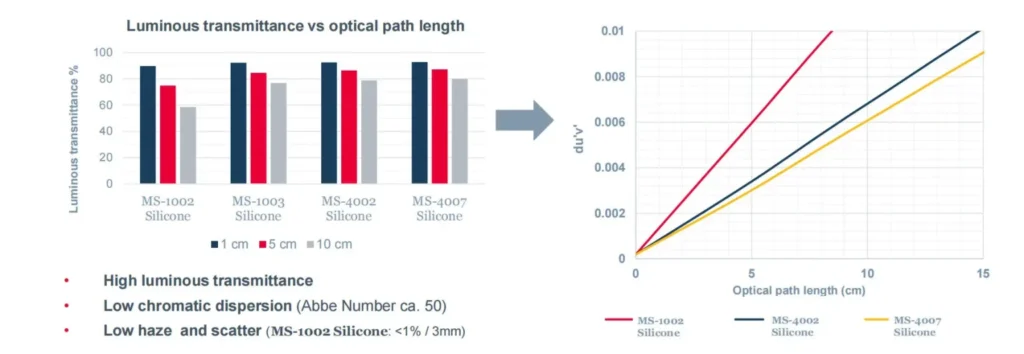
Optical silicone is a highly transparent material, typically having a light transmittance of about 94% in the visible and near-infrared spectral regions and a refractive index of 1.43. Optical silicone also has low haze and low chromatic dispersion, which can perfectly match LED efficiency.

LED lamps made of organic silicone are not easy to oxidize, yellow, and brittle when exposed to high temperatures and high UV radiation for a long time. Optical silicone lenses can withstand extreme temperatures from -40°C to 250°C and are resistant to chemicals such as oils, solvents, and acids.

· Anti-UV
· Anti-yellowing
· Chemical corrosion resistance
· High temperature resistance

Options-Silicones-Benefits1

Optical silicone enables the realization of the most innovative ideas. Due to its high flowability, it helps to increase the production capacity of complexly designed and high-precision optical silicone parts. Their thickness accuracy is less than 0.5mm, and their weight is lighter than plastic and glass materials.

· High Flowability
· Micro/Complex Design
· High Precision
· Lightweight

Design-Flexibility1

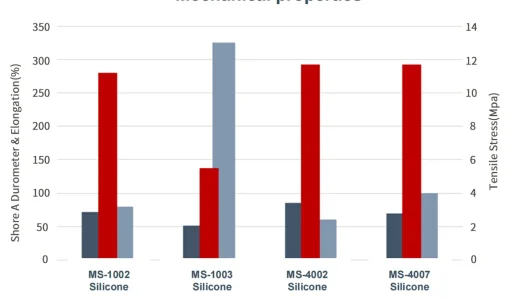
Optical silicone has high elasticity. It can be overmolding onto light sources and other components, reducing the need for secondary sealing of components, increasing yield and reducing waste. Optical silicone parts can increase shock resistance and service life of optical products.

· High Elasticity
· Overmolding
· Increasing Yield
· High Shock Resistance

Mechanical

Application Of Silicone Optics In Automobiles

Development Trend Of Optical Silicone

Based on the maturity of LSR and compression molding technology, as well as the improvement of automakers’ requirements for product performance and design flexibility, the use of optical silicone in automobiles continues to expand.
Compared with traditional glass and PC & PMMA, optical silicone can provide better optical performance and resistance to harsh environments.
Its unique characteristics make it ideal for lighting applications in various parts of the car, such as headlight lenses, tail light lenses, and other optical components.

Optical Lens Technical Requirements

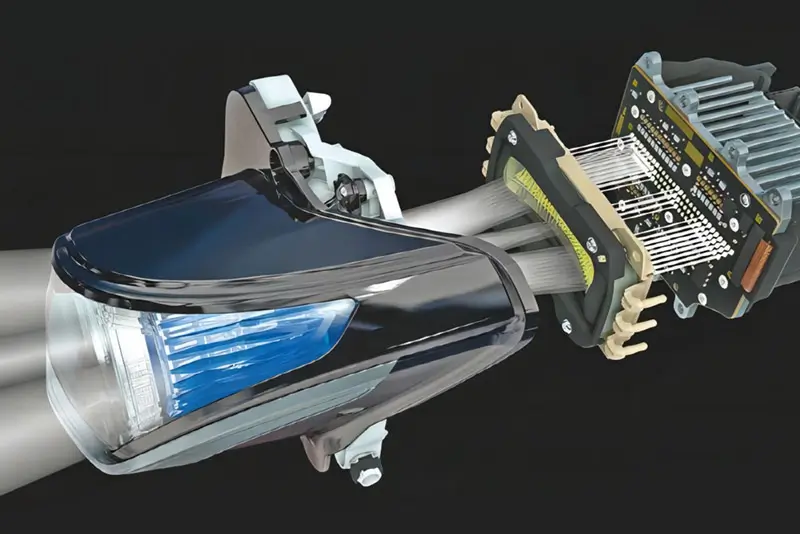
The excellent properties of optical silicone improve the reliability of the ADB system in automotive lighting. Optical silicone lenses provide excellent thermal stability and design flexibility to enable the production of complex optical products. The ADB headlights are strong proof of that.

The optical inner lens utilizes total reflection to direct light from each LED light source onto the external optical lens. The technical specifications for this optical inner lens are as follows.

▪ It is necessary to ensure that there is no cross-talk between different LEDs.

▪ Due to its proximity to the LED light source, the lens materials must have excellent heat resistance.

▪ The light loss of each LED chip must be minimized. Therefore, it is necessary to require sufficiently high focusing precision of the optical inner lens, as well as sufficient transparency and surface smoothness of the material.

▪ To make the LED light source penetrate the silicone lens better, it poses a challenge to design of light guides. The demolding direction of the silicone lens is vertical, and there is typically a noticeable inverted design.

Difficulties in processing

① Difficulties in mold making

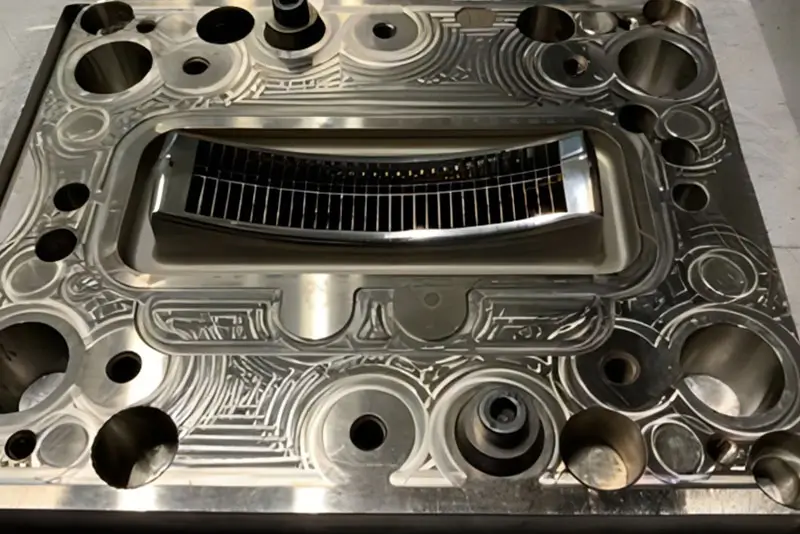
▪ The low viscosity of silicone adhesive makes optical components prone to producing flash. Therefore, the optical insert of the silicone inner lens must be machined and polished as a whole.
▪ There are many optical light guides. The failure of one guide due to corrosion or polishing will render the entire optical mold unusable. Therefore, it should be processed with care.
▪ The diameter of the polishing performed inside the light guide region is less than 1 mm, with a depth of 20 mm. Moreover, the polished surface of the mold cavity cannot be assessed directly through measurements. It requires an experienced technician to operate.

② Difficulties in the injection process

▪ Due to the flexible structure of the silicone lens, it cannot be gripped with a small gripper. It should grip the larger surface area of the silicone to safely remove it from the mold.
▪ High cleanliness requirements for molds in the production process. If flash or other defects are detected, the injection process must be stopped immediately. We have to conduct a 100% inspection of all the cavities of the light guide.
▪ If the mold temperature is too high, the silicone will undergo degradation and adhere to the surface of the mold cavity. This will lead to a decrease in the optical performance of the lens, so the mold insert requires manual polishing.

Get a Free Quote

* Please upload only jpg, png, pdf, dxf, dwg, rar, zip, 7z, step/stp, ai, iges/igs, x_t, stl files. Size limit is 10MB.

Get a Free Quote

* Please upload only jpg, png, pdf, dxf, dwg, rar, zip, 7z, step/stp, ai, iges/igs, x_t, stl files. Size limit is 10MB.
Scroll to Top