What We Do ?
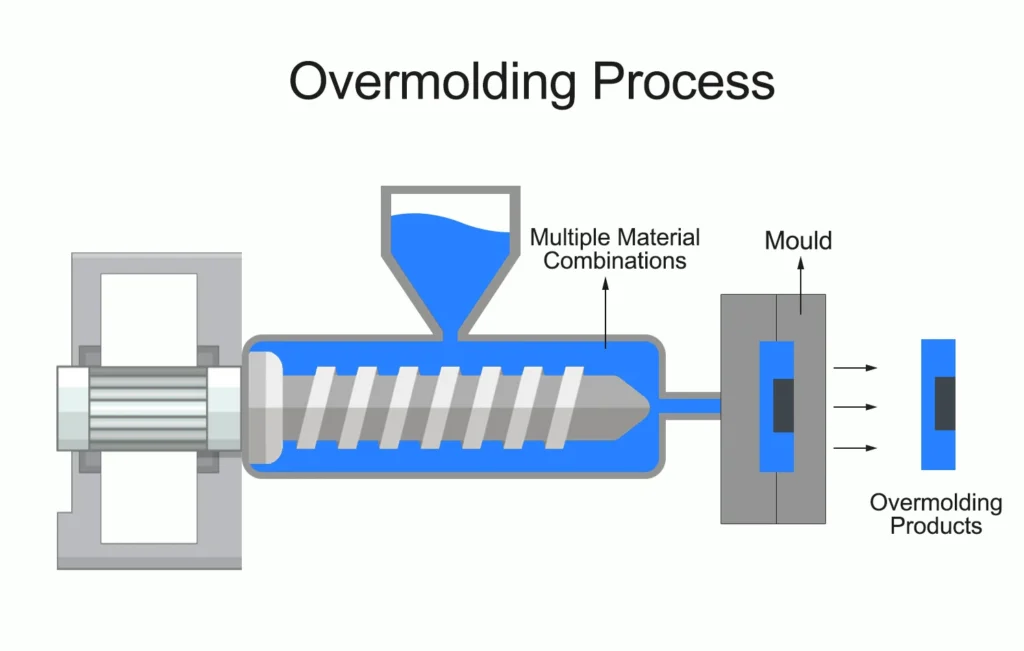
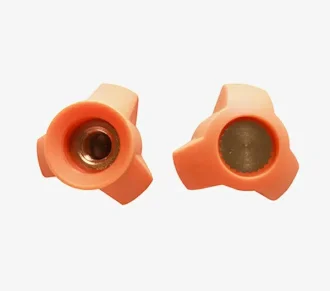
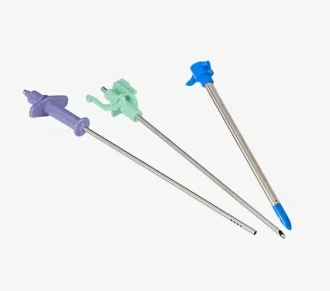
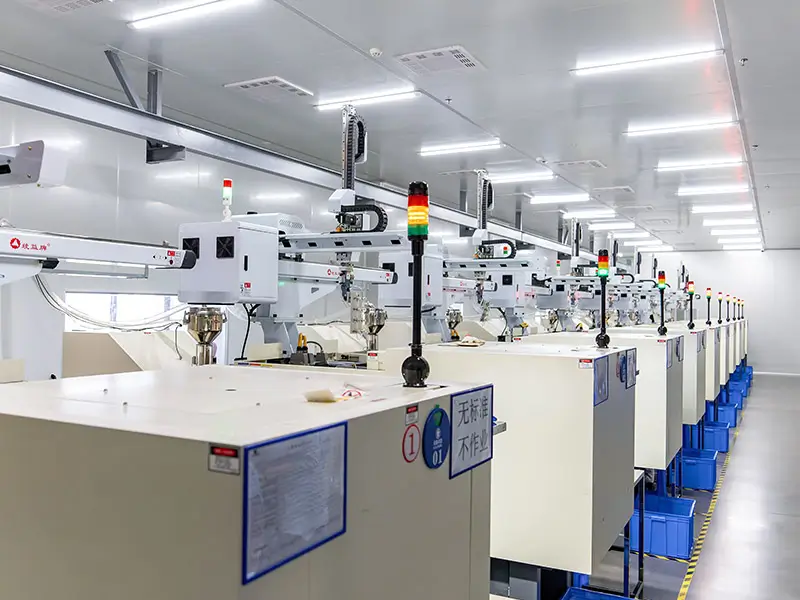
Shengxin provides high performance LSR silicone products and injection molding products.Injection molding is the process of injecting molten material into a mold, forming it into the shape of the mold through high temperature and high pressure, and then the component cools and ejects. Through high-precision molds, we can repeat the process quickly and cost-effectively to manufacture thousands of the same high-quality parts.
Overmolding & Insert Molding
Rubber Material Properties Introduction
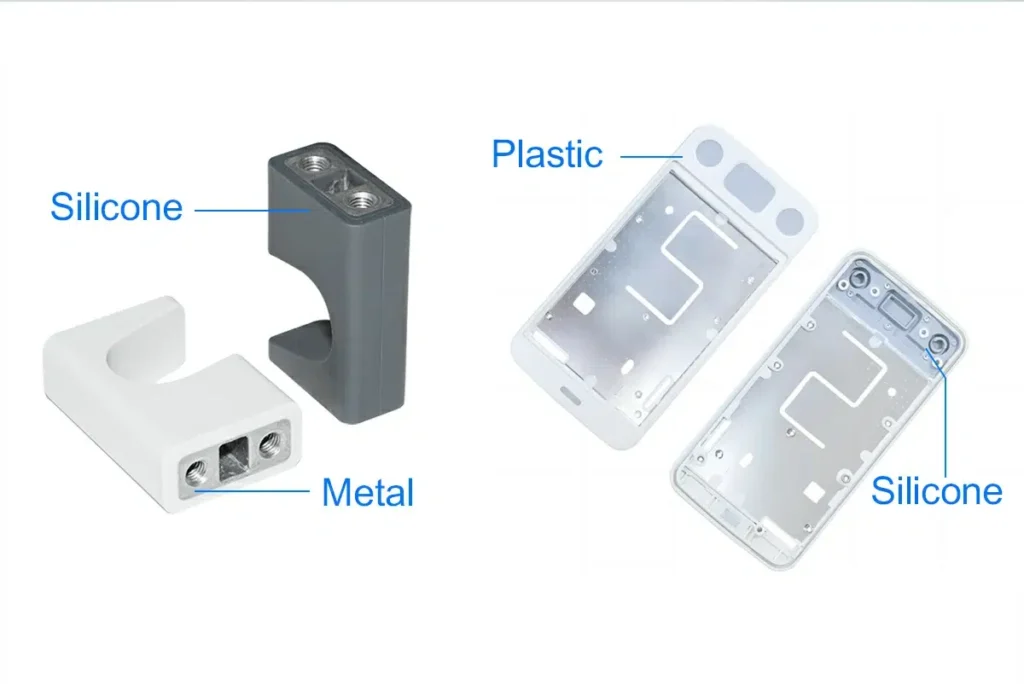
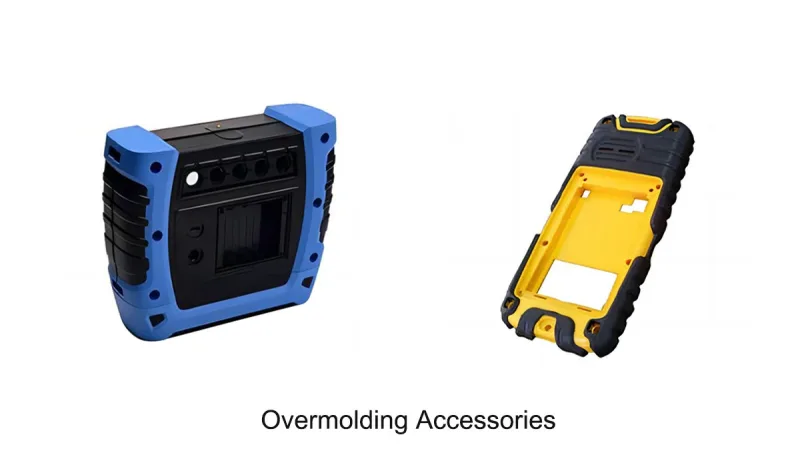
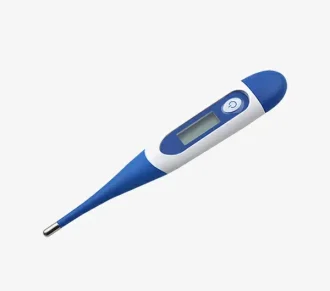
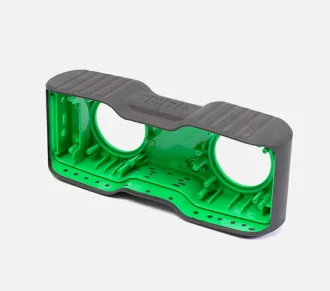
We are able to create components from a variety of materials depending on the application requirements. The substrate can be a rigid material such as metal or hard plastic to achieve structural integrity. The overmolding material can be a soft elastomer such as silicone or rubber to achieve properties such as waterproof sealing. While meeting durability and protection, it can ensure safer and more comfortable use, thereby improving the user experience.
Why Choose Overmolding & InsertMolding?
Overmolding allows different materials to be combined with elastomeric materials such as silicone and rubber to meet a variety of requirements, and this combination excels in a variety of applications.
Soft touch: Elastomers provide a soft touch surface that improves grip and comfort.
Anti-slip properties: The inherent anti-slip properties of rubber and silicone ensure a secure hold and reduce the risk of slipping.
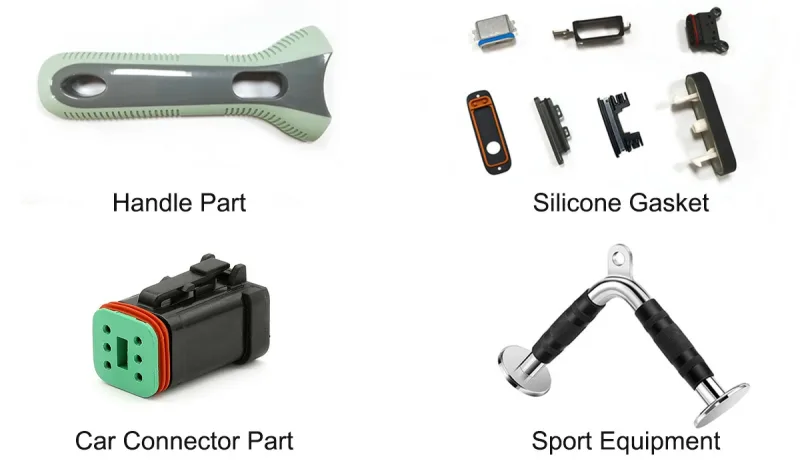
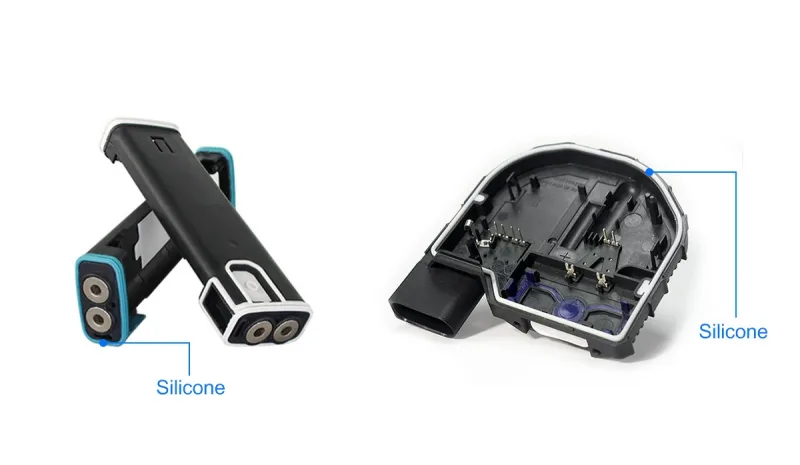
Waterproofing: Elastomers are often used to make seals and gaskets, providing effective waterproof protection for electronic devices and automotive parts.
Insulating properties: Silicone and rubber have excellent electrical insulation properties, making them ideal for overmolding components that require electrical isolation.
Vibration reduction: Elastomers absorb and dampen vibrations, protecting sensitive components in electronic, automotive and industrial applications. Improve product durability and service life.
The overmolding process allows parts and products to be customized for specific requirements such as strength and durability, waterproofing, sealing, corrosion resistance or electrical conductivity, providing tailor-made solutions for a variety of applications.
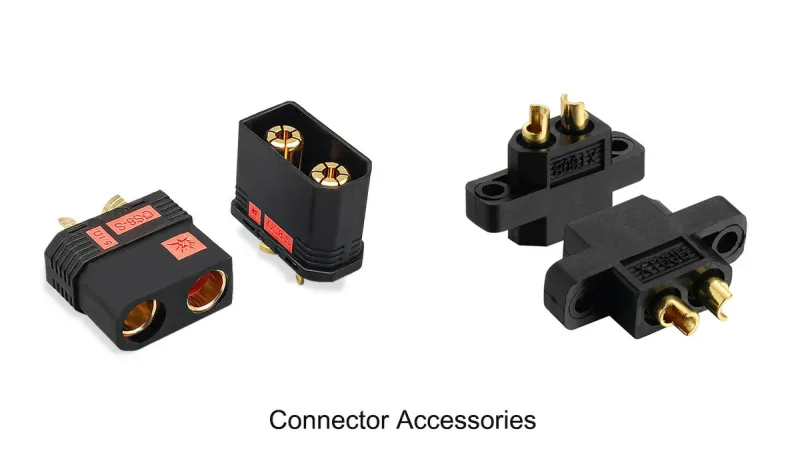
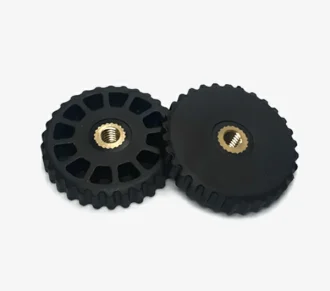
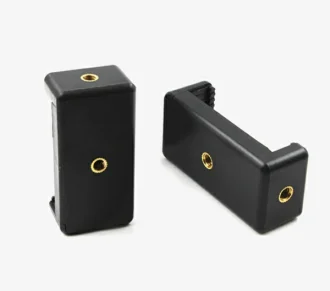
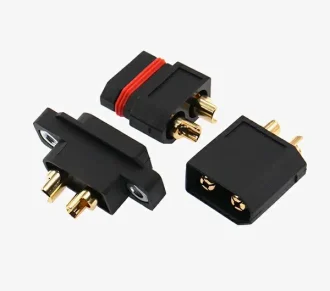
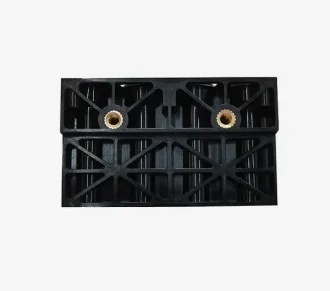
By embedding electronic connectors or other materials such as threaded inserts or bearings into plastic components, the functionality of the product can be enhanced, while the overall strength and load-bearing capacity of the component is significantly increased, making it suitable for more demanding applications.
Overmolding minimizes the need for secondary operations and assembly processes by molding around the Insert, saving time and labor costs. And reduces the risk of part failure due to separate components.
What is Overmolding?
Silicone Overmolding Process
Overmolding is used to combine at least two materials to create a part or product. It involves adding a layer of material, typically plastic or rubber, over an existing substrate to create a part or product. The substrate can be made from a variety of materials, including metals, plastics, and other materials. When the materials cool, they bond together to form a strong and durable part. The overmolding process can also improve the durability, weather resistance, and chemical resistance of the final product.
Applications of Overmolding
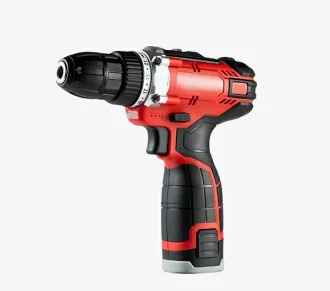
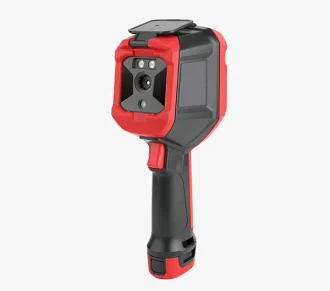
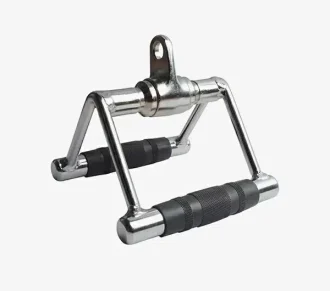
Overmolding is a process that can improve a product’s soft-touch grip, functionality, or aesthetics, such as combining a metal frame and plastic housing for an electronic device. If the product requires a soft, comfortable grip, overmolding may be the best choice.
Advantages of Overmolding
01. Reduces assembly time and cost
02. Increases the grip of the products
03. Increases products functionality
04. Creates parts/products with tight tolerances
Are you seeking customized solutions for silicone or plastic products?
Contact us to discuss your project and turn it into reality.
What is Insert Molding?
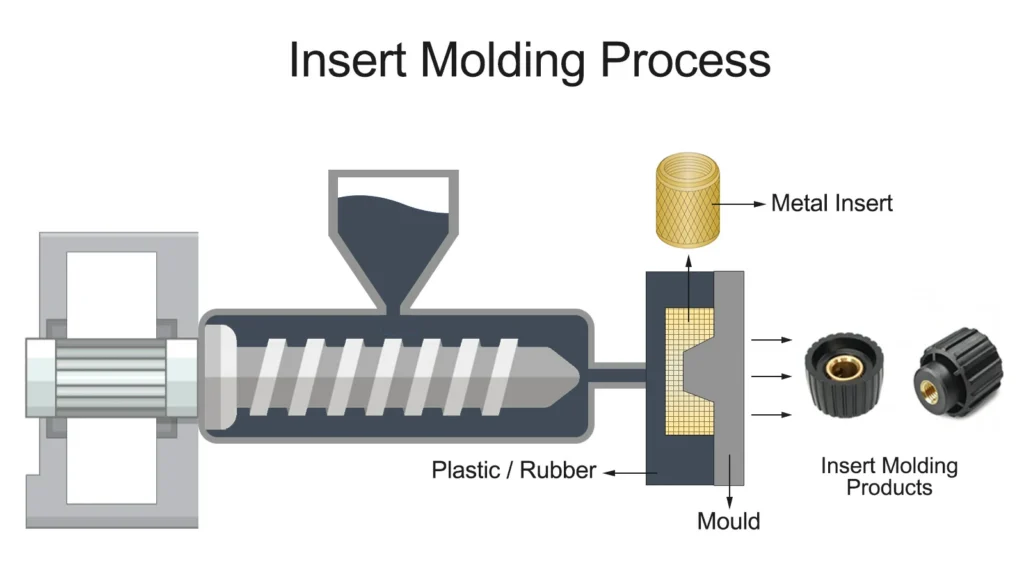
Silicone Insert Molding Process
Insert molding places a preformed object, such as a metal or plastic part, into the mold before injecting molten plastic around it. This process creates a finished product that combines the characteristics of both materials. It can help reduce assembly operations and cost. Unlike overmolding, insert molding is performed with a pre-existing component.
Silicone Insert Molding Process
Insert Molding is a process that creates parts with complex geometries or combines multiple parts into a single assembly, such as combining a metal frame and plastic housing for an electronic device. If the product requires an insert for structural support or electrical conductivity, insert molding would be the preferred option.
Advantages of Insert Molding
01. Saves assembly costs
02. Reduces the risk of assembly errors
03. Create solid and reusable connections
04. Enhance products durability, moisture and dust resistance
Get a Free Quote
- We can provide free samples for your reference.
- From concept to completion, we can provide one-stop custom services.
- You may send us samples or 3D CAD drawings in STEP, IGES, X_T, or DWG formats. We will provide a detailed quote within 48 hours.
Get a Free Quote
- We can provide free samples for your reference.
- From concept to completion, we can provide one-stop custom services.
- You may send us samples or 3D CAD drawings in STEP, IGES, X_T, or DWG formats. We will provide a detailed quote within 48 hours.