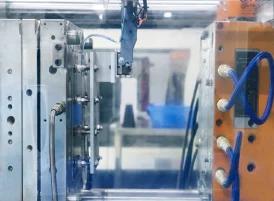
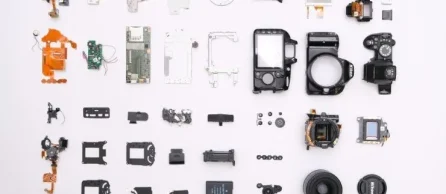
Custom Plastic Injection Molding Services
- From DFM Analysis to Mass Production
- Mold Design & Tooling, Rapid Prototyping, Stable Volume Production
- Efficient One-Stop Manufacturing for Automotive, Electronics & Industrial Parts
Custom Injection Molding With Shengxin
Shengxin delivers one-stop injection molding solutions from prototyping to production. Our services include rapid prototyping, custom insert molding, overmolding, and production molding. Every project is managed by experienced engineers to ensure high-quality, cost-effective components for industries such as medical, electronics, and consumer products.
Shengxin Injection Molding Speciality Process
Plastic Injection Molding
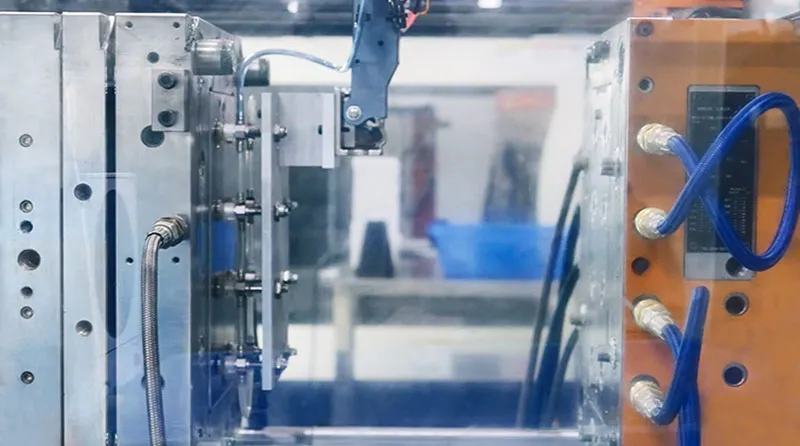
We have automated, high-precision injection molding machines, we ensure efficient large-scale production with highly competitive pricing.
Liquid Silicone Rubber Molding
SGS-certified cleanroom LSR molding, using branded silicone materials, meets the customization requirements of professional fields.
Insert Molding Services
Insert molding integrates functions, enhances strength, reduces assembly, and improves durability.
Overmolding Services
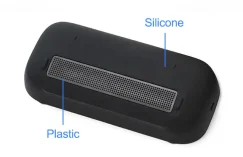
Overmolding combines multiple materials into one product, improving durability, comfort, and ergonomic design—helping enhance brand value.
Micro-molding
Micro injection molding for mass production of tiny, high-precision parts. Achieve tight tolerances and consistency with advanced molds and materials.
Silicone Compression Molding
Compression moulding uses heat and
to form the product’s final shape. various production lines, and nearly 60 pieces of equipment can meet your processing.
Silicone Mould vacuum casting
Silicone mould vacuum casting provides cost-effective, fast production of high-precision plastic parts with injection-like quality, without expensive tooling.
Custom Die Cutting Services
Custom die cutting uses tailored molds to shape diverse materials, delivering sealing, insulation, thermal management, and cushioning solutions.
Custom Injection Molding Products Workflow
The following is our product customization process. At Shengxin, turning your ideas into real, high-performance products is what we do best. Partner with us
for a smooth, efficient and innovative journey — from concept to completion. Want to see how we bring your ideas to life? Let’s get started.
The following is our product customization process. At Shengxin, turning your ideas into real, high-performance products is what we do best. Partner with us
for a smooth, efficient and innovative journey — from concept to completion. Want to see how we bring your ideas to life? Let’s get started.
1.Customization requirement
2.Evaluation& quotation
3.DFM analysis report
4.Mold design & analysis
5.Custom tooling
6.Mold testing and validation
7.Mass production
8.Delivery and after-sales
Table of Contents
What is Plastic Injection Molding?
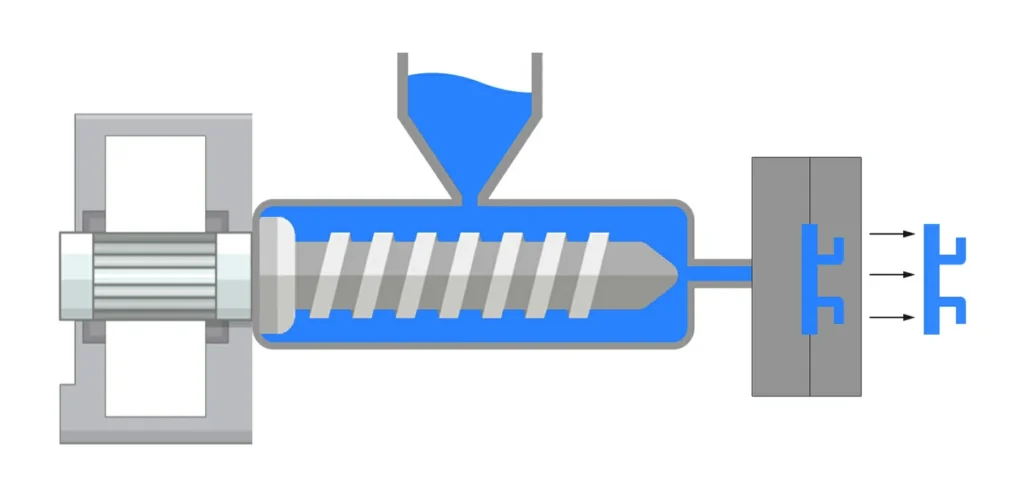
Injection molding is one of the most cost-effective methods for mass-producing plastic parts. The process involves injecting molten resin into molds, cooling and solidifying, then ejecting the parts in a repeatable cycle. Molds can be reused thousands of times, ensuring consistent quality and lower unit costs. With short cycle times and high efficiency, injection molding is widely used in medical devices, industrial electronics, and consumer products, making it the ideal solution for large-scale manufacturing.
Custom Injection Molding Services Capabilities
How Does Plastic Injection Molding Work
Plastic Injection Molding Process
Plastic injection molding is a highly efficient and precise method used to produce both simple and complex parts. Here’s a step-by-step breakdown of the process:
Material Selection
The first step is choosing the right plastic material, such as thermoplastics, thermosets, or elastomers like silicone rubber. The material is selected based on the product’s desired strength, flexibility, and resistance to heat or chemicals.
Heating and Injection
The chosen material is fed into the injection machine, where it is heated to a molten state. Once melted, the material is injected into the mold cavity with high pressure. The injection speed and pressure are crucial to ensure the material fills the mold evenly and without defects.
Mold Design and Cooling
Once injected, the mold is cooled, allowing the material to solidify and take the shape of the cavity. Cooling time can vary depending on the material and part complexity. Proper cooling ensures that the part achieves its desired properties.
Ejection and Finishing
Once the part is fully cooled and hardened, it is ejected from the mold. Any excess material, known as flash, is trimmed off, and finishing processes such as painting, coating, or adding other elements are performed to meet the final design specifications.
Plastics Used in Injection Molding
The materials used in plastic injection molding can vary significantly based on the product requirements. The material you choose will impact the cost, production speed, and final product characteristics. For more detailed information on injection molding materials, please click the button below
Thermoplastics: These are the most commonly used materials in injection molding. They can be re-melted and re-shaped without altering their chemical structure, making them ideal for recycling and reuse. Examples include polyethylene, polypropylene, and polystyrene.
Elastomers: Materials like silicone rubber are used for parts that need flexibility, high elasticity, and resistance to heat. These materials are ideal for products such as seals, gaskets, and medical devices.
Thermosets: Unlike thermoplastics, thermosetting polymers can only be molded once. After they set, they cannot be re-melted, which makes them highly durable and heat-resistant. Examples include epoxy and phenolic resins.
For more detailed information on injection molding materials, please click the button below.
Injection Molding Secondary Process

Plating
Plating is the process of applying a metallic layer onto plastic parts to improve aesthetics, durability, conductivity, or corrosion resistance. Common methods include electroless plating and vacuum metallization.
- Improved conductivity
- Enhanced corrosion resistance
- Premium appearance
- Stronger surface and part
Painting and Coating
Painting enhances the aesthetics and performance of molded plastic parts. This process involves masking and preparing parts and then applying paint or specialized coatings to improve appearance, UV resistance, durability, or electrical interference.
- Improved aesthetics
- UV & chemical resistance
- More durable parts
- EMI shielding
Pad Printing/Screen Printing
Pad printing and screen printing are methods that apply logos, text, or detailed graphics onto parts. Pad printing uses a silicone pad to transfer ink from an etched plate onto the product surface, making it ideal for curved and irregular surfaces.
- High-quality graphics
- Versatility
- Durable markingDurable markingDurable marking
- Cost-effective
Laser Engraving
Laser engraving is a permanent marking process that uses a laser to etch or remove material from the surface of a plastic part. It is commonly used for branding, serial numbers, barcodes, and decorative elements. The high precision and durability of laser engraving make it ideal for industrial and medical applications.
- Permanence
- High precision
- No ink or chemicals
- Tamper-proof markings
Ultrasonic Welding
Ultrasonic welding is a technique that uses high-frequency vibrations to generate localized heat. It allows two plastic components to fuse together without adhesives or fasteners. It provides strong, airtight, and watertight bonds, making it ideal for automotive, medical, and electronic applications.
- Strong & reliable bondsStrong & reliable bondsStrong
- No need for adhesives or fasteners
- Fast production time
Heat Staking (Inserts)
Heat staking is a process used to embed metal inserts (such as threaded bushings or pins) into plastic components. Heat is applied to the insert which then softens the plastic, allowing the insert to be pressed in securely. This method enhances the structural integrity of components that require repeated fastening.
- Enhanced strength
- Reusable fastening
- Precision placement
Drilling and Tapping
Secondary machining operations can be required on molded parts to hold tighter tolerances or add threads to formed plastic parts. Fictiv can work with you to determine when this is required and provide this service for your molding program.
- Precision enhancement
- Added threads or other features
Assembly
Assembly refers to the process of putting together multiple molded components to create a functional product. This can include snap-fit connections, mechanical fastening, welding, and adhesive bonding.
- Customization flexibility
- Supports complex products
- Various joining methods
- Automated or manual
Industrial Products Made by Injection Molding
Injection molding is used across a wide range of industries to create products that require high precision, durability, and consistency. Some common industrial applications include:
Automotive
Parts such as dashboard components, bumpers, and lighting housings are commonly produced using injection molding.
Medical
Components for medical devices, including syringes, catheters, and diagnostic equipment, are made using injection molding due to the need for strict quality control and precision.
Consumer Electronics
Plastic parts for devices like smartphones, laptops, and wearables are often made through injection molding to ensure durability and precision.
Packaging
From bottles to containers, plastic packaging is often made using this method due to its speed and cost-effectiveness.
Agricultural
Parts like irrigation components and tools used in agriculture can be produced with injection molding, benefiting from the material strength and consistency.
Aerospace
Lightweight and high-strength plastic components used in the aerospace industry are often produced using injection molding.
FAQs
Read the Frequently Asked Questions for more information.
There’s no answer here for you? Please contact us and we will respond within 24 hours.
How to estimate the cost of plastic injection molding?
The cost depends on factors like material choice, mold complexity, and production volume. A rough estimate can be calculated by considering mold creation costs, material costs, and cycle time.
How long does it take to design and produce a plastic injection mold?
Design time can vary, but typically it takes several weeks to create and test a mold, depending on its complexity.
Can injection molding be used for silicone rubber products?
Yes, silicone rubber is commonly used in injection molding due to its flexibility and durability.
What causes bubbles in plastic injection molding?
Bubbles can result from air being trapped during the injection process, often due to improper venting or moisture in the material.
How to reduce part weight in plastic injection molding?
Reducing part weight can be achieved by optimizing the design and material choice, as well as using foamed materials or thinner walls.
How thin can you injection mold plastic?
Injection molding can produce parts with wall thicknesses as thin as 0.3 mm, depending on the material and design.
How to reduce part weight in plastic injection molding?
Increasing productivity involves optimizing mold designs, using faster materials, improving cycle time, and automating processes.
News & Blog
Get a Free Quote
- We can provide free samples for your reference.
- From concept to completion, we can provide one-stop custom services.
- You may send us samples or 3D CAD drawings in STEP, IGES, X_T, or DWG formats. We will provide a detailed quote within 48 hours.
Get a Free Quote
- We can provide free samples for your reference.
- From concept to completion, we can provide one-stop custom services.
- You may send us samples or 3D CAD drawings in STEP, IGES, X_T, or DWG formats. We will provide a detailed quote within 48 hours.